
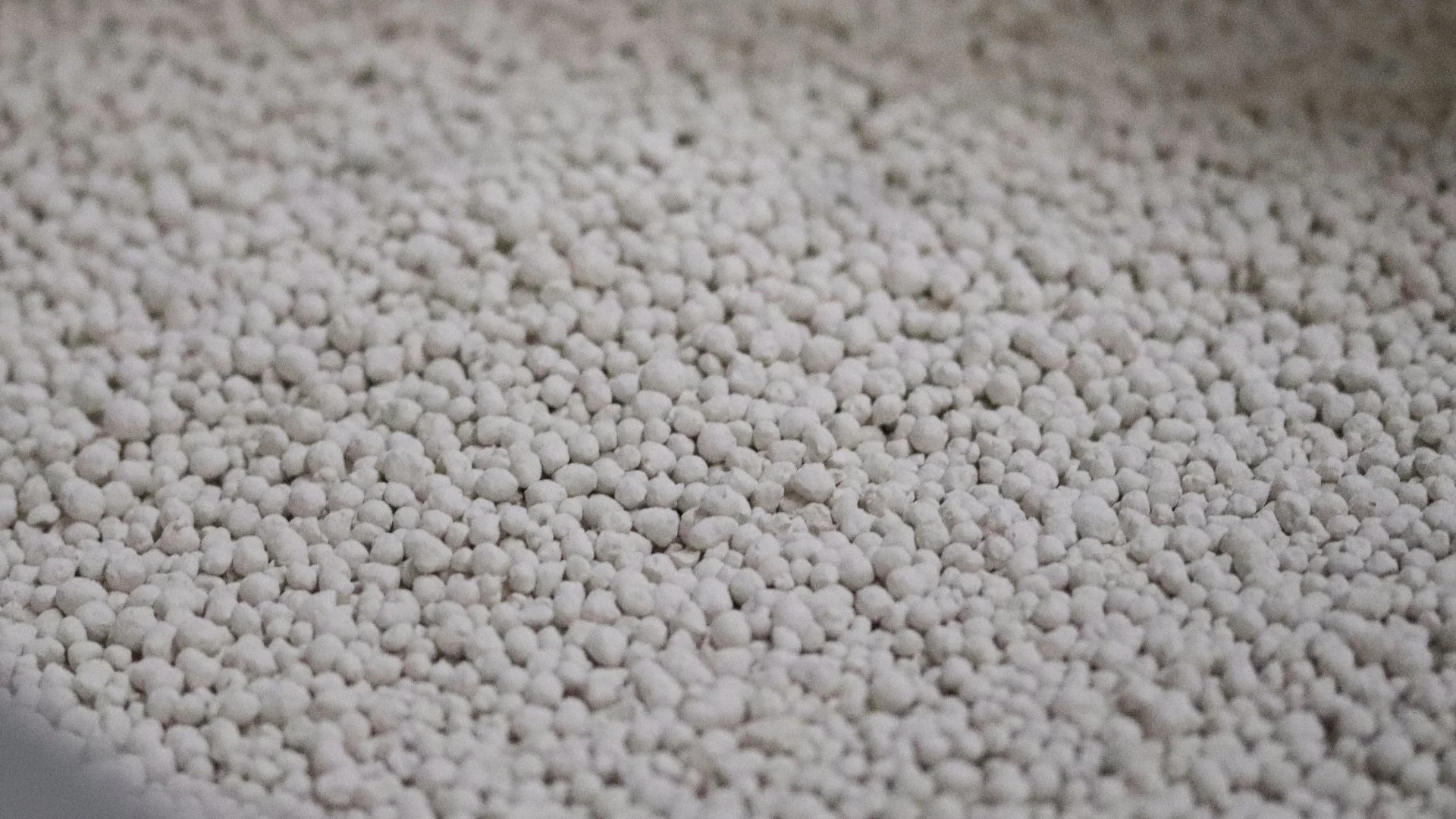
While there's no specific best month to lime your lawn in Ohio, avoid applying it when the ground is frozen, as lime needs to interact with the soil to adjust pH levels. Aim for spring or fall, when the soil is moist and temperatures are moderate, creating ideal conditions for absorption. Before applying lime, perform a soil test to determine if your lawn needs it, as most grasses thrive in a pH range of 6.0 to 7.0. Testing ensures you apply lime only when necessary, preventing imbalances and optimizing lawn health.
While there isn't a specific best month to lime your lawn, you should avoid doing it when the ground is frozen.
There isn't a single "best" month to lime your lawn, but it's essential to avoid applying lime when the ground is frozen. Frozen soil prevents lime from being absorbed, rendering the treatment ineffective. Lime needs to interact with the soil to adjust the pH levels, and frozen conditions inhibit this process. Therefore, timing your lime application to coincide with favorable soil conditions is crucial.
When planning to lime your lawn, consider the climate and weather patterns in your area. The goal is to apply lime when the soil is moist but not waterlogged, allowing the lime to dissolve and integrate into the soil effectively. Avoiding extreme temperatures and ensuring the soil is workable will lead to better results and a healthier lawn.
Spring and fall tend to be the best times to apply a lime treatment to your lawn.
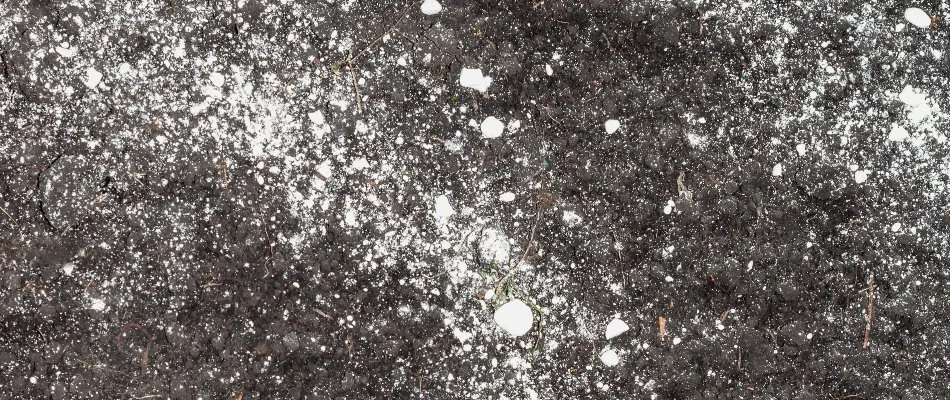
Spring and fall are generally regarded as the best times to apply lime to your lawn. In spring, the soil is typically moist from winter precipitation, creating an ideal environment for lime absorption. Applying lime in the spring prepares your lawn for the growing season, ensuring the grass has the proper pH balance to absorb nutrients effectively.
Fall is another excellent time for liming, as it allows the lime to work into the soil over the winter months. This timing can lead to improved soil conditions by the time spring arrives, giving your lawn a head start for healthy growth. The cooler temperatures in fall also reduce the risk of heat stress on your grass, making it an optimal time for lime application.
Perform a soil test before applying lime to your lawn to ensure it needs it.
Before applying lime, it's essential to perform a soil test. This test will determine if your lawn actually needs lime and provide insights into the current pH level of your soil. Most grasses thrive in a pH range of 6.0 to 7.0. If your soil test reveals a pH lower than this range, liming may be necessary to raise the pH to optimal levels.
Conducting a soil test ensures that you’re not applying lime unnecessarily, which can lead to an imbalance and potentially harm your lawn. Soil test kits are widely available and easy to use, or you can enlist the help of a professional for more accurate results. By understanding your soil's specific needs, you can tailor your lime application to achieve the best results.
Call us today to schedule our lime treatment service!
When it comes to applying lime on your lawn, it's crucial to test the soil to understand how much lime your grass needs. At Free Spray Lawn Care, we offer a lime treatment service that includes conducting a soil test at no extra cost to you to determine if your lawn needs lime! From there, we can understand the current soil conditions on your lawn and apply the right amount of lime to restore balanced soil pH.
We offer this service to homeowners and business owners in Mansfield, Wooster, Strongsville, and throughout the surrounding areas in Ohio. Call us today at 419-529-5296 to schedule this service and keep your lawn healthy and beautiful.

Comments (0)
Thanks for your comment!
Thanks for your feedback! Your comments have been successfully submitted! Please note, all comments require admin approval prior to display.
Error submitting comment!
There is a problem with your comment, please see below and try again.