
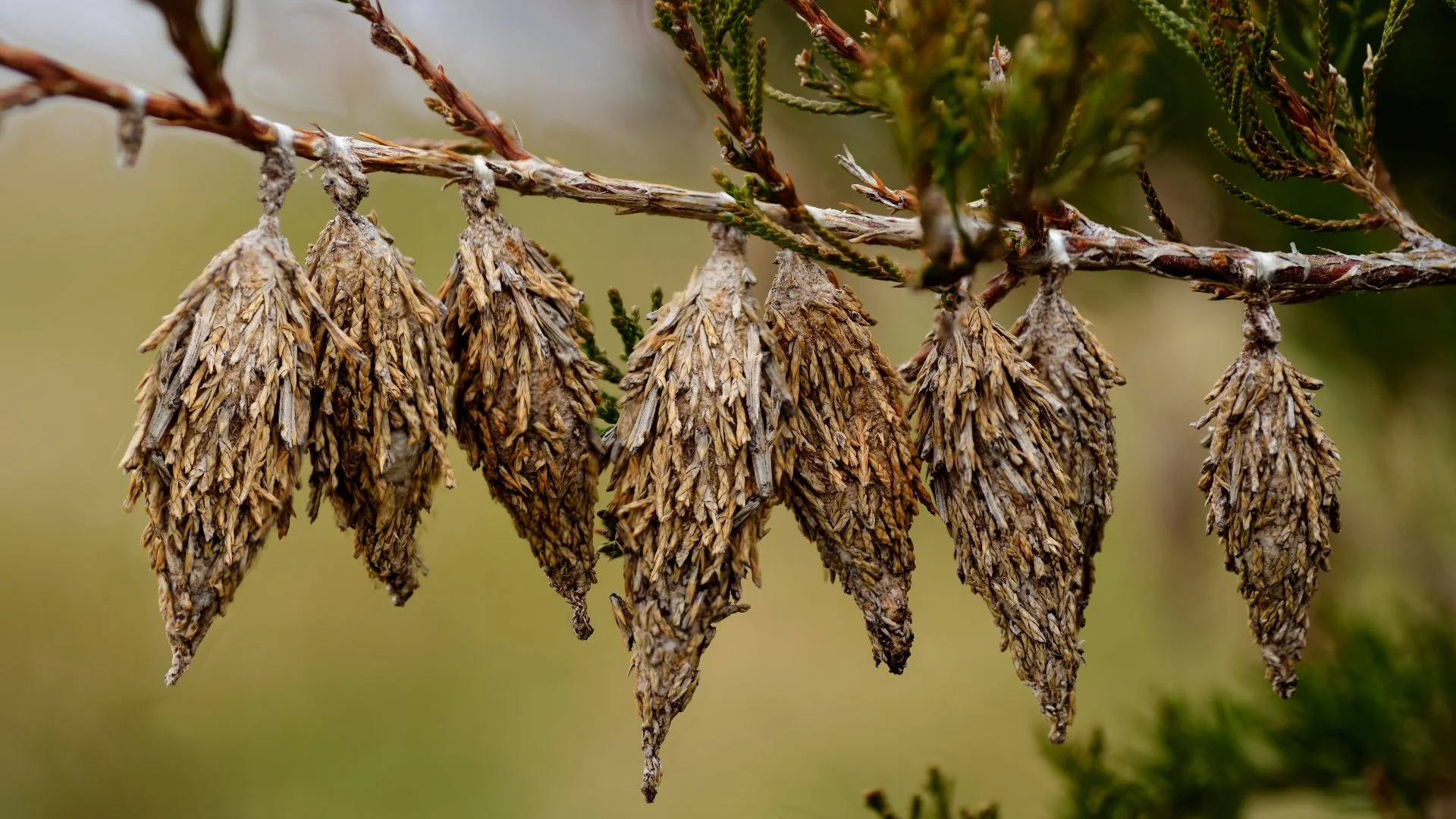
Bagworms are a common pest that can wreak havoc on trees and shrubs in Ohio. These pests are caterpillars that build protective bags of silk and plant debris, feeding on the leaves of plants and causing severe defoliation if left untreated. Bagworms are most problematic during the summer months when they are actively feeding. If you notice signs of a bagworm infestation on your plants, it is important to contact professionals and schedule a curative treatment as soon as possible to prevent further damage. Additionally, investing in a tree and shrub care program can help protect your plants from bagworms in the future by keeping them strong and resilient to stressors.
What are bagworms, and what kind of damage do they cause to trees and shrubs?
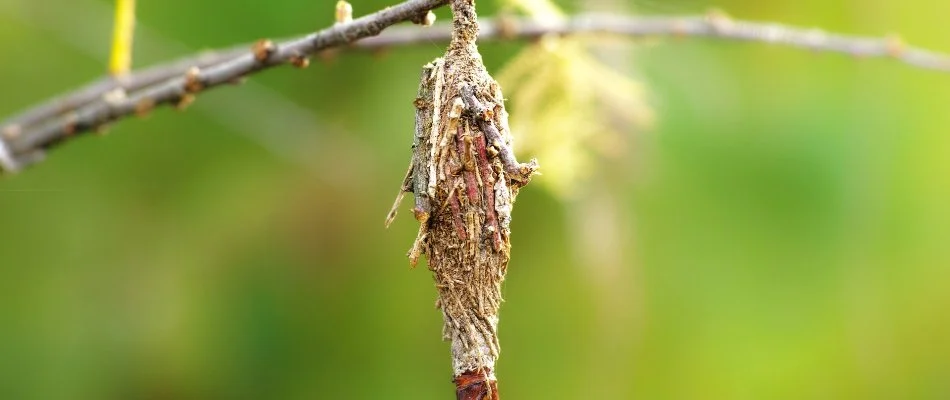
Bagworms are a harmful plant insect that poses a serious threat to your trees and shrubs. These pests are the larvae of moths and are known for their distinctive bag-like cases, which they construct using silk and plant material. Bagworms are voracious eaters and can cause significant damage to your plants if left unchecked.
The primary damage caused by bagworms is defoliation. They feed on the leaves of trees and shrubs, stripping them bare and leaving them vulnerable to other stressors. This defoliation weakens the plants, making them more susceptible to diseases and other pests. In severe cases, bagworms can even kill the affected plants. Bagworms are particularly fond of evergreen trees and shrubs, such as arborvitae, junipers, and spruce. However, they can also infest other types of plants.
When do bagworms become most problematic?
Bagworms are most problematic during the summer months when they are actively feeding and growing. They emerge from their eggs in late spring or early summer and immediately begin feeding on the leaves of your plants. As they grow, they construct their distinctive bags, which they carry with them as they move around the plant.
The feeding activity of bagworms peaks in mid-to-late summer when they are nearing maturity. During this time, they can cause extensive damage to your trees and shrubs. The defoliation caused by bagworms can be particularly detrimental to evergreen plants, as they rely on their foliage for year-round photosynthesis.
What should you do if you notice signs of bagworms on your trees and shrubs?
If you notice signs of a bagworm infestation on your trees and shrubs, it is crucial to take action as soon as possible. The best course of action is to contact professionals and schedule a curative treatment. Professionals have the knowledge and expertise to effectively eliminate bagworms and prevent further damage to your plants.
In addition to scheduling a curative treatment, it is also important to consider investing in a tree and shrub care program to protect your plants from bagworms in the future. These programs typically include regular inspections to identify any issues early on and treat them as needed. They also include fertilizer treatments to keep your plants strong and resilient to stressors. By keeping your plants healthy, you can reduce the risk of bagworm infestations and ensure their long-term success.
Sign Up for Our Tree & Shrub Insect Control Service by Contacting Us
At Free Spray Lawn Care, we offer a tree and shrub insect control service to safeguard your plants from harmful pests. We utilize highly effective curative treatments to eliminate insects like bagworms and keep them from causing further damage. These treatments are available as part of our tree and shrub care program, which also comes with fertilization in the spring and fall, as well as four summer visits to monitor your plants' health.
Our tree and shrub insect control service is offered to residential and commercial property owners in Mansfield, Wooster, Strongsville, OH, and nearby areas. Sign up by contacting us at 419-529-5296!

Comments (0)
Thanks for your comment!
Thanks for your feedback! Your comments have been successfully submitted! Please note, all comments require admin approval prior to display.
Error submitting comment!
There is a problem with your comment, please see below and try again.