
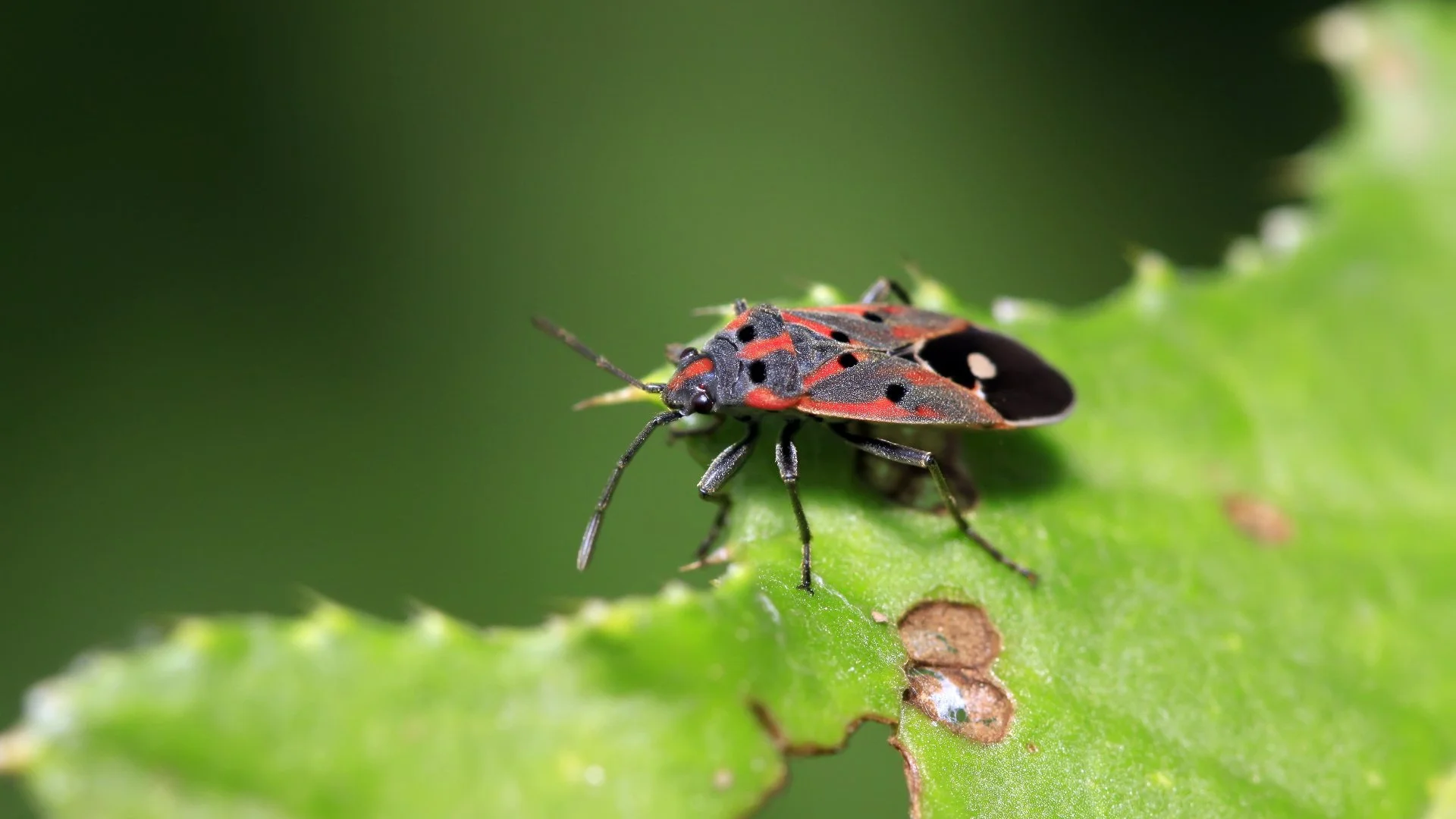
Chinch bugs can cause extensive damage to your lawn and leave it looking less than its best. To help your lawn in Ohio recover from chinch bug damage, focus on fertilization, aeration, and overseeding. Fertilization supplies essential nutrients like nitrogen, phosphorus, and potassium, strengthening the grass and promoting healthy growth. Aeration alleviates soil compaction, enhancing air, water, and nutrient flow to the roots, which fosters deeper root development and overall resilience. Overseeding fills in bare patches left by the infestation, promoting a dense, lush turf. This combination of techniques not only repairs chinch bug damage but also enhances your lawn’s health and durability against future threats.
Fertilizing your lawn will provide it with the nutrients it needs to recover from chinch bug damage.
Fertilization is the cornerstone of lawn recovery after a chinch bug infestation, supplying essential nutrients that promote healthy growth. Your grass may appear weak and nutrient-deficient from chinch bug damage. Fertilization is essential for reviving a lawn damaged by chinch bugs, as it replenishes vital nutrients that strengthen and invigorate the grass. It restores nutrient balance by providing nitrogen to promote healthy leaf growth, phosphorus for strong root development, and potassium to enhance stress tolerance. A well-fertilized lawn can quickly regain its vigor, making it more resistant to future pest invasions. The consistent supply of nutrients also boosts the grass’s natural healing process, allowing it to recover from damage and fill in sparse areas more effectively.
Aeration will make it easier for nutrients and other resources to reach the roots of your grass.
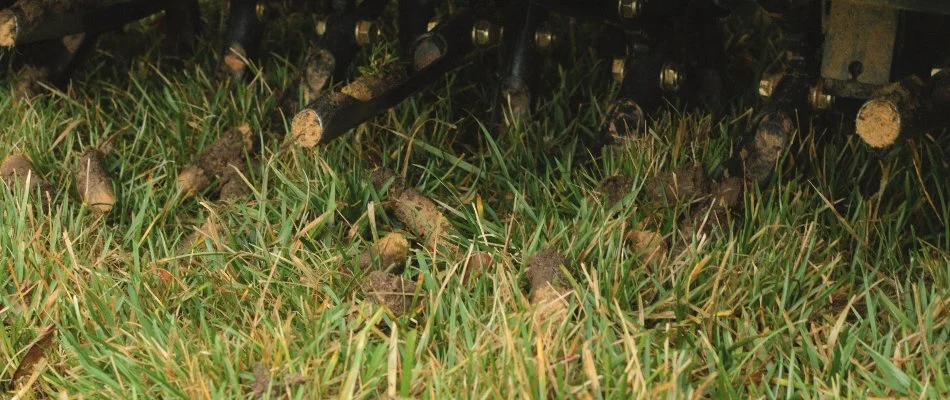
Aeration helps your lawn recover from chinch bug damage by improving the soil's health and supporting root development. After a chinch bug infestation, improving your turf's access to vital resources will aid in a quicker recovery. That's where aeration comes in. Aeration alleviates soil compaction by creating small holes in the soil, which enhances its structure and permeability. As a result, the roots can access essential resources like air, water, nutrients, and sunlight more easily, promoting deeper growth and resilience. This process not only helps repair the damage caused by chinch bugs but also improves the lawn’s overall health, preparing it to better withstand future stressors.
Overseeding your lawn will help fill in any bare or patchy areas caused by chinch bugs.
Overseeding is a transformative technique for restoring the density and lushness of a lawn impacted by chinch bugs. Infestations can leave unsightly bare patches and make it more susceptible to other issues. By introducing new grass seed, overseeding fills in gaps in your lawn, ensuring a more uniform and robust turf. This dense growth helps crowd out weeds and creates a seamless, vibrant appearance. Additionally, overseeding introduces newer, more resilient grass varieties that may offer improved resistance to pests and diseases. As the new grass establishes, it bolsters the lawn’s ability to recover fully from chinch bug damage and maintain its health over time, resulting in a consistently vibrant and durable green space.
Call Us Today to Schedule Our Lawn Care Services
If you're looking to help your lawn recover from chinch bug damage, look no further than our lawn care services. At Free Spray Lawn Care, we offer lawn fertilization, aeration, and overseeding services to help your lawn bounce back from chinch bug damage and grow back stronger than ever. Our team of experts will work with you to meet your turf's specific needs and help it recover from any damage caused by chinch bugs. These services are offered to residential and commercial property owners in Mansfield, Wooster, Strongsville, OH, and surrounding areas. Give us a call today at 419-529-5296 to schedule our lawn care services!

Comments (0)
Thanks for your comment!
Thanks for your feedback! Your comments have been successfully submitted! Please note, all comments require admin approval prior to display.
Error submitting comment!
There is a problem with your comment, please see below and try again.